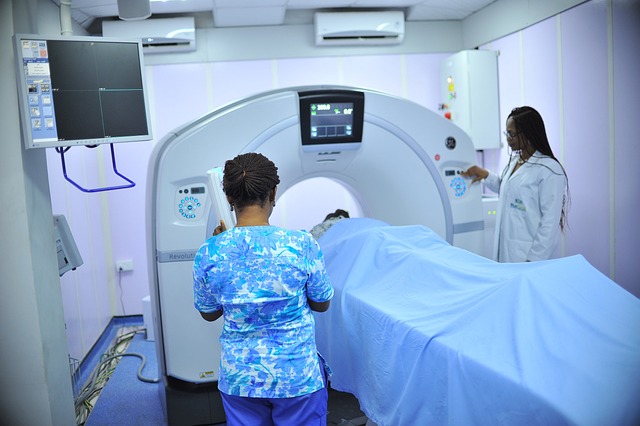
In the high-stakes environment of healthcare, efficient hospital operations are not just desirable—they’re imperative. Optimizing processes can lead to improved patient care, reduced costs, and enhanced staff satisfaction. However, navigating complex operational challenges demands a strategic approach. This article delves into the transformative power of Implementing Six Sigma in Hospitals as a proven solution. By leveraging this methodology, healthcare organizations can streamline workflows, minimize errors, and enhance overall performance, ultimately fostering an environment where quality patient care meets operational excellence.
- Streamlining Workflows: A Foundation for Efficiency
- Enhancing Patient Care through Data Analysis
- Fostering a Culture of Continuous Improvement
Streamlining Workflows: A Foundation for Efficiency
Optimizing hospital operations involves a multifaceted approach, with streamlining workflows serving as a foundational strategy for achieving efficiency. In today’s healthcare landscape, where demands are high and resources often stretched, efficient workflows can significantly enhance patient care, reduce wait times, and improve staff satisfaction. Implementing Six Sigma in hospitals, a data-driven quality improvement methodology, offers a powerful toolset to identify and eliminate inefficiencies. By focusing on process enhancement and statistical analysis, healthcare organizations can achieve remarkable results naturally.
A key aspect of streamlining hospital workflows is identifying bottlenecks and non-value-added steps within processes. Six Sigma project management guides emphasize the importance of a thorough analysis, using tools like value stream mapping to visualize and understand the current state. For example, in an emergency department, a Six Sigma team might map out the patient registration process, uncovering delays caused by manual paperwork and redundant data entry. Once these issues are identified, natural solutions can be implemented—digitizing forms, integrating systems for seamless data transfer, and automating routine tasks. Such improvements can lead to faster turnaround times and better resource allocation.
Best practices for process improvement within healthcare settings involve fostering a culture of continuous learning and collaboration. Encouraging staff at all levels to contribute ideas and providing training in Six Sigma methodologies empowers everyone to become agents of change. Regular audits and performance metrics, backed by data-driven insights, help maintain momentum. For instance, after implementing streamlined registration processes, the hospital can measure the reduction in wait times and patient satisfaction ratings over time. This data-centric approach ensures that improvements are measurable and sustainable.
To further optimize operations, hospitals should consider employing process mapping techniques to visualize and communicate workflow enhancements. Process mapping for healthcare allows stakeholders to understand the interconnectedness of various processes and identify areas for refinement. By combining these strategies—Six Sigma project management, streamlined workflows, and effective communication—hospitals can create a culture of excellence, where efficiency is not just an aim but an achievable reality. Give us a call at Process Mapping for Healthcare to learn more about how these principles can be tailored to your organization’s unique needs.
Enhancing Patient Care through Data Analysis
Enhancing patient care through data analysis is a cornerstone of modern hospital operations. By leveraging advanced analytics and implementing structured approaches like Six Sigma, healthcare institutions can identify inefficiencies and optimize processes. For instance, a study by the American Hospital Association found that hospitals achieving Six Sigma-level improvement saw significant reductions in wait times and readmission rates, directly correlating to improved patient satisfaction. Implementing Six Sigma involves rigorous data collection and process mapping, enabling medical teams to pinpoint bottlenecks and make evidence-based decisions.
Medical team collaboration techniques are pivotal in this transformation. Cross-functional teams comprising nurses, physicians, and administrative staff can collectively analyze patient journeys, uncover hidden issues, and implement targeted solutions. Process mapping for healthcare, a visual representation of workflows, aids in identifying areas requiring refinement. For example, mapping the admission process may reveal unnecessary steps or delays, prompting the team to streamline procedures and enhance efficiency. Combining these collaborative practices with data-driven insights fosters a culture of continuous improvement, aligning with best practices for process improvement.
Hospitals can leverage technology to facilitate real-time data analysis, enabling proactive care management. By integrating patient records, clinical outcomes, and operational metrics, hospitals gain valuable insights into performance trends. This data-centric approach allows for the identification of at-risk patients, the optimization of resource allocation, and the refinement of care protocols. For instance, analyzing post-operative recovery data can reveal patterns indicative of improved patient care. Through these strategies, hospitals can ensure a more seamless and effective healthcare experience, solidifying their commitment to give us a call at Hospitals continuous improvement approach.
Fostering a Culture of Continuous Improvement
Fostering a culture of continuous improvement is a cornerstone for optimizing hospital operations and enhancing patient care. This involves a collaborative approach where every staff member actively contributes to identifying inefficiencies and implementing effective solutions. One proven methodology that hospitals can adopt is Six Sigma, a data-driven process improvement initiative focused on reducing defects and variations. By training staff in Six Sigma principles—such as the DMAIC (Define, Measure, Analyze, Improve, Control) framework—hospitals can systematically address challenges, from streamlining patient admission processes to optimizing medication administration protocols.
Implementing Six Sigma requires a commitment to data-informed decision-making. Hospitals should establish robust data collection and analysis systems to track key performance indicators (KPIs) related to patient care and experience. For instance, tracking wait times, patient satisfaction scores, and readmission rates provides valuable insights that can guide improvement initiatives. When combined with the DMAIC approach, this data allows hospitals to identify root causes of issues, implement targeted solutions, and monitor ongoing performance to ensure sustained enhancements.
Moreover, fostering a culture of continuous improvement goes beyond process optimization; it focuses on enhancing the overall patient experience. This involves creating environments that are welcoming, efficient, and patient-centered. Simple yet impactful changes like improving signage in wards, providing better access to information, or offering personalized care plans can significantly enhance patient satisfaction. By integrating these improvements with robust operational processes, hospitals not only improve efficiency but also create a more comfortable and supportive environment for patients and their families.
To harness the full potential of continuous improvement, hospitals should consider partnering with experts in process improvement methodologies. Organizations like ours specialize in providing tailored solutions, offering training programs, and facilitating workshops to empower hospital staff. Give us a call at Hospital Process Improvement Methodologies to explore how our expertise can guide your institution towards more streamlined operations, enhanced patient care, and a culture that embraces continuous learning and excellence.
By implementing streamlined workflows, leveraging data analysis for enhanced patient care, and fostering a culture of continuous improvement, hospitals can significantly optimize operations. These strategies, built upon the foundation of Implementing Six Sigma in Hospitals, offer tangible improvements in efficiency and quality. Key takeaways include the power of process optimization, data-driven insights, and a proactive approach to improvement. Next steps involve integrating these principles into hospital management, encouraging cross-departmental collaboration, and regularly measuring progress through key performance indicators. This comprehensive approach ensures hospitals can consistently deliver exceptional patient experiences while managing resources effectively in today’s dynamic healthcare landscape.
Optimizing Hospital Operations:
Streamlining workflows and implementing Six Sigma methodologies significantly enhance patient care, reduce wait times, and improve staff satisfaction in today’s healthcare landscape. By identifying bottlenecks, employing data analysis, and fostering a culture of continuous learning, hospitals can achieve remarkable efficiency. Process mapping, collaboration among medical teams, and leveraging technology for real-time data analysis are key strategies to optimize operations and create an environment focused on patient-centered care. Implementing Six Sigma naturally drives these improvements, leading to better outcomes and a more sustainable culture of excellence.