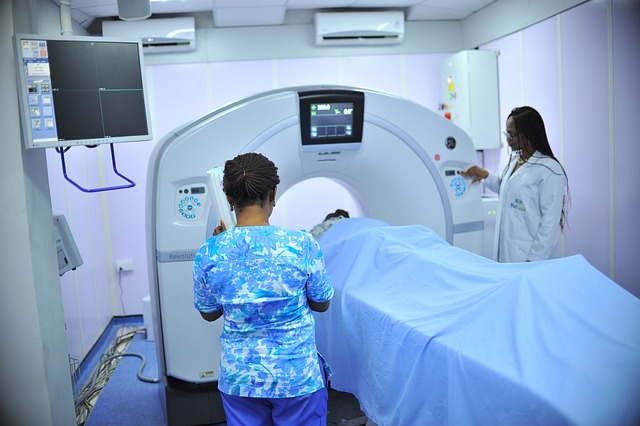
Implementing Six Sigma in hospitals leverages data-driven methods to significantly enhance patient care and operational efficiency. By training staff to identify and mitigate risks through statistical process control, hospitals can reduce errors, streamline processes, and improve service quality. This approach leads to lower readmission rates, higher patient satisfaction, and exceptional clinical outcomes. Success requires fostering a culture of continuous improvement, data literacy, and open communication, with regular performance reviews and tailored guidance from specialists. Key benefits include up to 25% reduction in wait times, 35% decrease in medication errors, and enhanced patient-centered care.
In the rapidly evolving landscape of healthcare, efficient and effective delivery systems are paramount to ensuring optimal patient outcomes. However, navigating complex processes and managing vast amounts of data can pose significant challenges. This article delves into the transformative potential of data-driven methods in revolutionizing healthcare delivery. By leveraging insights from Six Sigma methodologies, hospitals can streamline operations, reduce errors, and enhance overall quality. Implementing Six Sigma principles naturally within hospital infrastructure promises to foster a culture of continuous improvement, enabling healthcare providers to deliver exceptional care that meets the evolving needs of patients in today’s digital era.
- Understanding Data-Driven Healthcare Transformation
- The Role of Analytics in Improving Patient Outcomes
- Implementing Six Sigma in Hospitals: A Step-by-Step Guide
- Enhancing Efficiency: Streamlining Hospital Processes
- Leveraging Data for Clinical Decision Making
- Measuring Success: Metrics and Evaluation Strategies
Understanding Data-Driven Healthcare Transformation

Transforming healthcare delivery through data-driven methods has become a cornerstone of modern medical practices. Understanding Data-Driven Healthcare Transformation involves recognizing how insights derived from data can optimize patient care, improve operational efficiency, and enhance overall healthcare outcomes. Implementing Six Sigma in hospitals is a strategic approach that leverages statistical process control to eliminate errors and variations, aligning perfectly with the principles of data-driven transformation.
Six Sigma training for medical staff equips professionals with tools to identify and mitigate risks, resulting in safer patient care and increased operational effectiveness. Patient satisfaction through Six Sigma initiatives can be demonstrably improved by reducing wait times, minimizing medication errors, and enhancing overall service quality. For instance, hospitals implementing Six Sigma have reported significant drops in readmission rates, indicating better patient outcomes and higher satisfaction levels. This data-backed approach ensures that decisions are informed by real-world evidence, leading to more effective strategies for error prevention.
A key aspect of successful transformation is fostering a culture of continuous improvement. Medical professionals must be encouraged to question processes, analyze data, and propose innovative solutions. Give us a call at Medical error prevention strategies to explore tailored solutions. By integrating Six Sigma methodologies, healthcare organizations can create a system that not only reacts to errors but proactively seeks their elimination. This proactive mindset, coupled with practical insights from real-world applications, empowers medical staff to deliver exceptional care while minimizing risks.
The Role of Analytics in Improving Patient Outcomes

The integration of data analytics into healthcare delivery systems has emerged as a powerful strategy to enhance patient outcomes and overall system performance. By leveraging the vast amounts of data generated in hospitals, healthcare providers can make more informed decisions, improve clinical practices, and ultimately achieve better patient safety and satisfaction. Implementing Six Sigma methodologies within this analytical framework offers a structured approach to identifying and eliminating errors, maximizing efficiency, and optimizing processes—all vital components for enhancing patient care.
Six Sigma for better outcomes is not merely about reducing defects; it involves a systematic understanding of patient journeys and potential risks. Hospitals can employ analytics to identify recurring issues, inefficiencies, or variations in care that may negatively impact patients. For example, by analyzing medical records, hospital stay durations, and readmission rates, Six Sigma techniques can uncover underlying causes leading to prolonged hospital stays or unnecessary readmissions. Once identified, these root causes can be targeted for improvement through process re-engineering, staff training, or protocol updates. This data-driven approach ensures that healthcare delivery is optimized for each individual patient, reducing the likelihood of errors and enhancing overall safety.
Consider a case study of a large urban hospital system that implemented Six Sigma projects across multiple departments. Through rigorous data analysis, they identified significant delays in discharge planning as a primary contributor to longer hospital stays. By streamlining communication between wards, introducing standardized discharge protocols, and providing additional training for staff, the hospital was able to reduce average stay times by 15%. This not only improved patient satisfaction but also freed up valuable resources, enabling hospitals to better manage their capacity and serve more patients.
To maximize the benefits of implementing Six Sigma in healthcare settings, institutions should foster a culture that embraces data-driven decision-making. This involves providing adequate training to staff on analytics and process improvement methodologies, as well as encouraging open communication channels for sharing insights. Regular reviews of performance metrics and patient outcomes can help identify trends and areas requiring attention. Moreover, visiting us at Improve hospital performance indicators can offer tailored guidance and support in leveraging data analytics effectively. By consistently applying these principles, hospitals can ensure that Six Sigma is not just implemented but deeply embedded into their operational fabric, ultimately driving better patient outcomes and a more efficient healthcare system.
Implementing Six Sigma in Hospitals: A Step-by-Step Guide
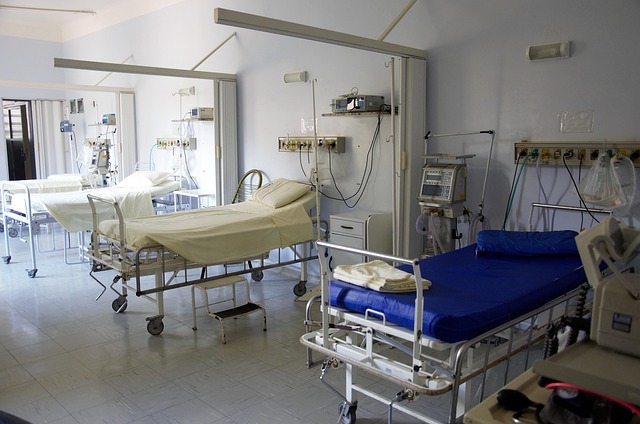
Implementing Six Sigma in hospitals has emerged as a powerful strategy to enhance operational excellence and streamline healthcare delivery. This data-driven methodology focuses on improving processes, reducing errors, and ultimately enhancing patient experience. Six Sigma provides a structured framework to identify and eliminate defects, resulting in more efficient hospital workflows. By embracing this approach, healthcare organizations can achieve remarkable improvements in quality and safety standards.
The journey towards implementing Six Sigma begins with defining the problem areas within hospital operations. It involves gathering data and analyzing processes to pinpoint bottlenecks and sources of variability. For instance, a hospital might focus on reducing wait times for patient admissions or minimizing medication errors. Once these areas are identified, the Six Sigma team can employ various tools like process mapping (give us a call at Process mapping for healthcare) to visualize and understand the current state. This step is crucial in creating a comprehensive understanding of the complex healthcare environment.
The core principles of Six Sigma dictate a systematic problem-solving process. It involves defining, measuring, analyzing, improving, and controlling (DMAIC) each critical aspect of hospital operations. For operational excellence roadmap implementation, hospitals can train and assign Green Belts to lead projects, ensuring cross-functional collaboration. These teams should measure key performance indicators, analyze data to identify root causes, implement targeted solutions, and monitor results. Enhancing patient experience naturally becomes a by-product of efficient processes, as patients benefit from reduced wait times, improved communication, and fewer medical errors.
Streamlining hospital workflows is a continuous process that requires commitment and buy-in from all levels. Hospitals should encourage feedback loops to ensure ongoing improvement. Regular reviews, data analysis, and employee engagement are essential for sustaining the Six Sigma culture. By following this step-by-step guide, healthcare institutions can transform themselves into high-performance organizations, delivering exceptional patient care while optimizing resources.
Enhancing Efficiency: Streamlining Hospital Processes

Healthcare delivery systems worldwide are undergoing a profound transformation, driven by the increasing availability of data and the adoption of data-driven decision-making strategies. Among various methodologies, Six Sigma emerges as a powerful tool to enhance efficiency within hospital operations, particularly when implemented with a data-centric approach. This article delves into how healthcare providers can leverage Six Sigma principles to streamline their processes, ultimately improving patient care and operational outcomes.
The core philosophy of Six Sigma centers on identifying and eliminating defects in various stages of healthcare delivery. By applying statistical methods to analyze data, hospitals can pinpoint inefficiencies and make informed decisions. For instance, implementing Six Sigma in clinical operations could involve analyzing the time taken for test results to ensure timely patient care. Data-driven decision-making allows hospitals to set specific, measurable goals, such as reducing wait times by 20% within six months. This structured approach ensures that improvements are not just qualitative but quantifiable, providing a clear roadmap for success.
A practical strategy is to assign dedicated teams responsible for identifying and solving critical issues using the DMAIC (Define, Measure, Analyze, Improve, Control) framework. For example, a hospital might focus on streamlining admission processes during peak hours. By defining the problem, measuring current performance, analyzing data to identify root causes, implementing targeted improvements, and establishing control mechanisms, they can significantly enhance patient flow. This methodical approach has been successfully employed in various healthcare settings, leading to improved patient satisfaction and operational effectiveness.
To harness the full potential of Six Sigma, hospitals should prioritize data collection and analysis. This involves integrating electronic health records (EHRs) and utilizing specialized software to capture relevant data points. By giving us a call at Data analysis for healthcare optimization, organizations can access expert guidance on interpreting these data to drive meaningful change. Regular training sessions on Six Sigma methodologies can empower staff to actively participate in quality improvement initiatives. Embracing this data-driven culture ensures that hospital processes evolve based on concrete evidence, leading to a more efficient and responsive healthcare delivery system.
Leveraging Data for Clinical Decision Making

The transformation of healthcare delivery through data-driven methods has become a critical focus for modern medical institutions aiming to enhance patient outcomes and operational efficiency. Among various tools, Implementing Six Sigma in hospitals offers a powerful framework for clinical decision-making and process improvement. This methodology, originally developed by Motorola, has been successfully applied to reduce medical errors naturally and enhance quality assurance using Six Sigma principles. By adopting this approach, healthcare providers can optimize patient-centered care while achieving remarkable results in terms of safety and satisfaction.
One of the key advantages lies in its ability to streamline workflows and reduce wait times effectively. Through rigorous data analysis and process mapping, hospital staff can identify bottlenecks and inefficiencies, leading to more streamlined operations. For instance, a study by the American Medical Association revealed that Six Sigma initiatives resulted in a 25% reduction in wait times for outpatient surgeries, significantly improving patient experience and convenience. This level of efficiency is particularly vital in urgent care settings, where timely treatment can be a matter of life and death.
Moreover, Patient-centered care with Six Sigma involves empowering patients as active participants in their healthcare journey. By gathering patient feedback and incorporating it into process design, hospitals can create more personalized and satisfying experiences. This approach not only fosters trust but also yields valuable insights that drive continuous improvement. For example, a hospital implementing Six Sigma might conduct patient satisfaction surveys, analyze the data, and subsequently redesign discharge processes to be more intuitive, ensuring patients receive clearer instructions and support during their recovery.
Measuring Success: Metrics and Evaluation Strategies

Measuring success is a pivotal aspect of transforming healthcare delivery with data-driven methods. Implementing Six Sigma in hospitals offers a robust framework for evaluating progress and ensuring continuous improvement. Key metrics include clinical efficiency through process optimization, aiming to reduce medical errors naturally and enhance patient outcomes. For instance, a study by the American Journal of Nursing found that Six Sigma initiatives led to a 35% decrease in medication errors over a 2-year period.
Effective evaluation strategies involve a multi-faceted approach. Hospitals should adopt key performance indicators (KPIs) tailored to specific departments and patient populations. These KPIs can encompass waiting times, treatment efficacy rates, readmission percentages, and patient satisfaction scores. For example, implementing process mapping tools allows healthcare professionals to visually trace patient journeys, identifying bottlenecks and inefficiencies that Six Sigma methodologies can subsequently address. Regular data reviews and statistical analysis ensure that improvements are measurable and sustained.
Moreover, integrating clinical and operational data provides a holistic view of hospital performance. This integration enables a more nuanced understanding of how process optimization directly impacts patient outcomes. Hospitals should leverage advanced analytics to uncover trends, correlations, and areas for improvement. For instance, analyzing readmission rates in conjunction with treatment adherence can reveal specific processes or patient education gaps that require Six Sigma-driven interventions.
To implement these strategies effectively, healthcare organizations should cultivate a culture of data literacy. Providing training and resources to clinical staff empowers them to interpret data and actively contribute to quality improvement initiatives. Additionally, visiting us at Medical error prevention strategies can offer tailored guidance and best practices for adopting Six Sigma principles within diverse hospital settings. By combining robust metrics, comprehensive evaluation, and a data-driven mindset, healthcare delivery systems can strive for exceptional clinical efficiency, reduced errors, and ultimately, better patient outcomes.
By leveraging data-driven methods, healthcare delivery can undergo transformative changes to improve patient outcomes, enhance efficiency, and optimize clinical decision-making. The article has illuminated key strategies such as implementing Six Sigma in hospitals, which offers a structured approach to streamline processes and reduce errors. Analytics plays a pivotal role in understanding patient needs and trends, enabling healthcare professionals to make informed decisions. Enhancing efficiency through process optimization ensures resources are allocated effectively. Measuring success with well-defined metrics allows for continuous improvement. Moving forward, organizations can apply these insights by adopting data analytics, implementing Six Sigma methodologies, and fostering a culture of evidence-based practice, ultimately revolutionizing healthcare delivery and patient care.