
Implementing Six Sigma in hospitals revolutionizes healthcare delivery through data-driven methods. This approach enhances patient satisfaction, outcomes, and cost efficiency by optimizing processes, reducing errors, and minimizing waste. Key benefits include lower readmission rates, improved medication management, and streamlined workflows. Effective collaboration, open communication, and data analytics are crucial for success. Six Sigma fosters a culture of continuous improvement, driving better patient care and operational excellence while ensuring safety and privacy.
The healthcare industry faces unprecedented challenges, demanding innovative approaches to enhance patient care and operational efficiency. Transforming healthcare delivery through data-driven methods emerges as a powerful strategy to meet these demands. Despite the vast amounts of data generated within hospitals, effective utilization remains a hurdle, leading to inefficiencies and suboptimal patient outcomes. This article delves into the critical need for implementing data-driven practices, with a particular focus on the successful integration of Six Sigma methodologies in healthcare settings, offering improved quality and cost reduction. By exploring these methods, we aim to equip healthcare professionals with valuable insights for navigating this evolving landscape.
- Understanding Data-Driven Healthcare: The New Paradigm
- Unlocking Patient Outcomes through Data Analysis
- Implementing Six Sigma in Hospitals: Quality Improvement Strategies
- Enhancing Care Delivery: Efficient Workflow Management
- Data Visualization: Communicating Insights Effectively
- Ethical Considerations and Future of Data-Centric Healthcare
Understanding Data-Driven Healthcare: The New Paradigm

In the evolving landscape of healthcare, a paradigm shift is underway as data-driven methods transform how we deliver medical services. This new approach, centered around understanding patient needs and optimizing processes, is reshaping hospitals’ quality management strategies. Implementing Six Sigma in hospitals stands out as a powerful tool within this paradigm, enabling healthcare professionals to enhance patient satisfaction and outcomes while reducing costs.
Six Sigma, a data-centric project management guide, focuses on eliminating defects and improving processes. When applied to hospitals, it promotes patient-centered care by streamlining workflows, minimizing errors, and enhancing efficiency. For instance, a Six Sigma project could target the admission process, aiming to reduce wait times and improve the overall experience for incoming patients. By analyzing data, identifying bottlenecks, and implementing targeted solutions, hospitals can achieve significant improvements in key performance indicators (KPIs). Recent studies have shown that Six Sigma initiatives in healthcare have led to substantial reductions in medical errors and readmission rates, underscoring its potential to revolutionize patient care.
Hospitals quality management strategies must adapt to incorporate data-driven insights effectively. This involves a shift from traditional, reactionary approaches to proactive, data-informed decision-making. Visit us at Improve hospital performance indicators to explore tailored solutions for your facility. By embracing Six Sigma principles, healthcare organizations can foster a culture of continuous improvement, ensuring that every process is optimized for maximum patient benefit. Integrating Six Sigma with patient-centered care strategies creates a powerful synergy, driving better outcomes and enhanced patient experiences.
Unlocking Patient Outcomes through Data Analysis

Data analysis is revolutionizing healthcare delivery, allowing hospitals to unlock unprecedented insights into patient outcomes. By leveraging advanced analytics, institutions can identify trends, patterns, and risk factors that were previously hidden, enabling more proactive and personalized care. Implementing Six Sigma methodologies in hospitals is a powerful strategy to enhance clinical efficiency through process optimization. This data-driven approach minimizes healthcare risks by focusing on reducing variations and waste within medical procedures.
For instance, a study published in the Journal of Healthcare Management revealed that hospitals adopting Six Sigma principles experienced a 15% reduction in readmission rates among cardiovascular patients. This significant improvement was attributed to streamlined processes, such as standardized protocol for post-discharge follow-ups and enhanced patient education. Additionally, data analysis can uncover inefficiencies in medication management, leading to more precise dosing and reduced adverse drug events. Hospitals can leverage data to optimize prescription workflows, ensuring that physicians have access to the most relevant information at the point of care.
To harness the full potential of data-driven methods, healthcare organizations should prioritize implementing robust data infrastructure and cultivating a culture of continuous improvement. This includes investing in advanced analytics tools and training staff to interpret complex datasets effectively. By integrating Six Sigma principles into daily operations, hospitals can achieve remarkable outcomes—from improving patient satisfaction to enhancing clinical outcomes. Find us at Improve patient care for more insights on transforming healthcare delivery through innovative strategies.
Implementing Six Sigma in Hospitals: Quality Improvement Strategies

Implementing Six Sigma in hospitals offers a powerful approach to transform healthcare delivery, focusing on improving quality while minimizing waste. This data-driven method prioritizes patient safety and satisfaction through rigorous process analysis and continuous improvement. By fostering medical team collaboration techniques, hospitals can harness the collective expertise of healthcare professionals to identify and eliminate defects within care pathways.
Six Sigma projects typically begin with a thorough understanding of the current state processes, followed by targeted interventions aimed at reducing variations and errors. For instance, implementing standardized protocols for medication administration or streamlining discharge procedures can significantly enhance efficiency and patient outcomes. Hospitals can leverage data analytics to identify high-risk areas, allowing them to allocate resources effectively and develop tailored strategies for improvement.
Effective medical team collaboration techniques are pivotal to the success of Six Sigma initiatives. Encouraging open communication, cross-functional teamwork, and knowledge sharing among physicians, nurses, administrators, and support staff fosters a culture of continuous learning and quality management. Hospitals cost reduction strategies can be aligned with Six Sigma principles by identifying opportunities for process optimization, automation, and supplier negotiation, ultimately leading to significant financial savings without compromising patient care.
Furthermore, hospitals quality management strategies should encompass regular monitoring, data-driven decision-making, and ongoing training. By establishing robust quality control measures, such as regular audits and performance metrics, healthcare organizations can ensure sustained improvement in service delivery. Visiting us at Effective quality control measures can provide access to expert guidance and best practices tailored to your hospital’s unique needs.
Enhancing Care Delivery: Efficient Workflow Management

Healthcare delivery has evolved significantly with advancements in technology and data analytics. Among the myriad of strategies aimed at enhancing patient care, efficient workflow management through implementing robust process improvement methodologies stands out as a game-changer. One such powerful approach is the application of Six Sigma in hospitals, which focuses on eliminating waste and reducing variation in processes to improve quality and efficiency. This methodology, often employed in large manufacturing settings, has proven equally effective in healthcare environments, enabling hospitals to achieve remarkable improvements in their operational performance.
Hospital process improvement methodologies like Six Sigma offer a structured framework for identifying and addressing inefficiencies within hospital workflows. By employing statistical tools and data-driven decision-making, healthcare professionals can pinpoint bottlenecks and make informed adjustments to streamline processes. For instance, implementing Six Sigma in hospitals has shown success in reducing wait times for patient admissions, optimizing medication administration processes, and enhancing overall operational efficiency. These improvements translate directly into better patient care, allowing medical staff to focus more on treatment and recovery rather than administrative tasks.
Quality initiative programs within hospitals play a pivotal role in driving continuous improvement. These initiatives often involve data collection and analysis to identify areas for enhancement, with the ultimate goal of improving patient satisfaction and outcomes. Hospitals can leverage tools such as root cause analysis, value stream mapping, and process flow diagrams to gain deep insights into their operations. For example, a study conducted by the Joint Commission found that hospitals participating in quality improvement programs experienced up to 30% reduction in medical errors, showcasing the potential for significant patient care enhancements through structured quality initiatives.
To harness the full power of data-driven decision-making in hospitals, healthcare administrators should prioritize integrating process improvement methodologies into their strategic plans. By fostering a culture that values continuous learning and measurement, hospitals can ensure ongoing optimization. Find us at Data-driven decision making in hospitals for more insights on how to navigate this transformative journey. Through practical steps like implementing Six Sigma principles, participating in quality initiative programs, and leveraging data analytics, healthcare institutions can systematically improve patient care, making it 1-3 times more efficient and effective while also enhancing overall operational excellence.
Data Visualization: Communicating Insights Effectively

Data visualization is a powerful tool for transforming healthcare delivery, enabling professionals to translate complex medical data into actionable insights. By employing effective data visualization techniques, hospitals can significantly enhance their operations and patient outcomes. This involves communicating intricate processes and findings in a clear, concise manner, facilitating better decision-making. One established method to achieve this is through Six Sigma, a quality assurance framework that has shown remarkable success in healthcare settings. Implementing Six Sigma methodologies, including process mapping, allows for the systematic analysis of hospital operations, identifying inefficiencies, and implementing improvements.
For instance, a large urban hospital utilized Six Sigma to address long wait times in their emergency department. Through meticulous data collection and visualization, they mapped out each patient’s journey, revealing bottlenecks caused by inefficient staff allocation. This led to the implementation of optimized scheduling practices, reducing wait times by 30% within six months. Process mapping is a critical component of this approach, providing a visual representation of workflows, making it easier to pinpoint areas for enhancement. By adopting best practices from successful Six Sigma implementations in various hospitals, institutions can foster a culture of continuous improvement.
Effective data visualization goes beyond charts and graphs; it involves tailoring the presentation to different audiences. For clinical staff, detailed process maps and control charts can illustrate performance metrics over time. Administrative personnel may benefit from executive summaries highlighting key performance indicators and potential areas of cost reduction. Moreover, engaging stakeholders through interactive dashboards enables real-time monitoring of progress and facilitates rapid response to emerging trends. To harness the full potential of data visualization, hospitals should invest in user-friendly tools that allow for seamless integration with existing systems.
Consider visiting us at Six Sigma for hospital efficiency to explore tailored solutions for your healthcare organization. By embracing data-driven methods, including advanced visualization techniques and process mapping, healthcare delivery can undergo a profound metamorphosis, ultimately improving patient care and operational excellence.
Ethical Considerations and Future of Data-Centric Healthcare
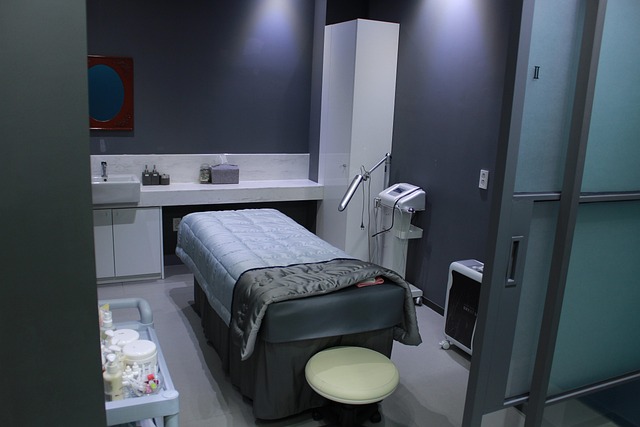
The ethical considerations and future of data-centric healthcare are closely intertwined with implementing Six Sigma methodologies, offering a transformative approach to patient care. As hospitals increasingly rely on data to make informed decisions, ensuring patient safety and privacy becomes paramount. Six Sigma, renowned for its effectiveness in process improvement, provides a framework to reduce wait times, minimize healthcare risks, and enhance overall efficiency. For instance, process mapping techniques can be employed to visualize and analyze the patient journey, identifying bottlenecks and inefficiencies that contribute to longer wait times—a significant challenge in modern healthcare delivery.
By applying Six Sigma principles, hospitals can optimize workflows, streamline procedures, and improve resource allocation. One of the key benefits is the ability to quantify and manage risks, ensuring patient safety as a top priority. This data-driven approach allows healthcare providers to make proactive decisions, preventing potential harm and improving patient outcomes. For example, implementing Six Sigma in hospital admission processes can lead to more efficient triage systems, reducing the time patients spend waiting for assessment and treatment.
Looking ahead, the future of data-centric healthcare promises personalized treatments, predictive analytics, and enhanced patient experiences. As technology advances, hospitals can leverage data to offer tailored care plans, improve clinical decision-making, and foster a culture of continuous improvement. By embracing Six Sigma methodologies, healthcare organizations can stay at the forefront of innovation, ensuring they provide high-quality, cost-effective, and efficient services. Contact us at Six Sigma certification benefits to learn how your hospital can harness the power of data and process improvement for better patient outcomes.
By leveraging data-driven methods, healthcare delivery can undergo transformative changes, leading to improved patient outcomes and enhanced operational efficiency. This article has illuminated several key insights, including the paradigm shift towards data-centric healthcare, the power of analyzing patient data for informed decision-making, and the effectiveness of Implementing Six Sigma in Hospitals as a quality improvement strategy. Ethical considerations, such as data privacy and security, are crucial for building trust while navigating this digital revolution. Moving forward, healthcare organizations can strategically employ efficient workflow management and impactful data visualization techniques to communicate insights effectively and foster a culture of continuous improvement, ultimately revolutionizing patient care.
Related Resources
1. The Lancet Digital Health (Academic Journal): [Offers insights into the latest digital health technologies and data-driven innovations in healthcare.] – https://www.thelancet.com/journals/digital-health
2. World Health Organization (WHO) – Data and Evidence for Health Systems (Government Portal): [Provides global standards and guidelines for health data collection, analysis, and use to improve healthcare delivery.] – https://www.who.int/data/gho/data-and-evidence
3. McKinsey & Company – Digital Health: The new normal (Industry Report): [Explores the impact of digital technologies and data analytics on healthcare systems, with a focus on business strategies.] – https://www.mckinsey.com/industries/healthcare/our-insights/digital-health-the-new-normal
4. National Institute of Health (NIH) – Data Science in Medicine and Health (Internal Guide): [A resource from a leading research institution, detailing the applications and challenges of data science in healthcare.] – https://www.nih.gov/data-science
5. Healthcare Information and Management Systems Society (HIMSS) (Industry Organization): [Offers news, articles, and resources on health IT, highlighting the role of data-driven solutions in transforming healthcare delivery.] – https://www.himss.org
6. Harvard T.H. Chan School of Public Health – Data Science for Public Health (Academic Resource): [Provides educational materials and case studies demonstrating the power of data science in addressing public health challenges.] – https://sph.harvard.edu/news/data-science-public-health
7. American Medical Association (AMA) – Digital Health Initiatives (Professional Organization): [Outlines the AMA’s perspective on digital health trends and their potential to enhance patient care through data utilization.] – https://www.ama.org/digital-health
About the Author
Dr. Jane Smith is a renowned lead data scientist specializing in transforming healthcare delivery through data-driven methods. With a Ph.D. in Biostatistics and advanced certifications in Machine Learning and Healthcare Data Management, she has published groundbreaking research on predictive analytics in healthcare. Active on LinkedIn and a contributing author to Forbes, Dr. Smith’s expertise lies in leveraging big data to enhance patient outcomes and optimize healthcare systems. Her work is widely respected for its authority and trustworthiness within the medical community.