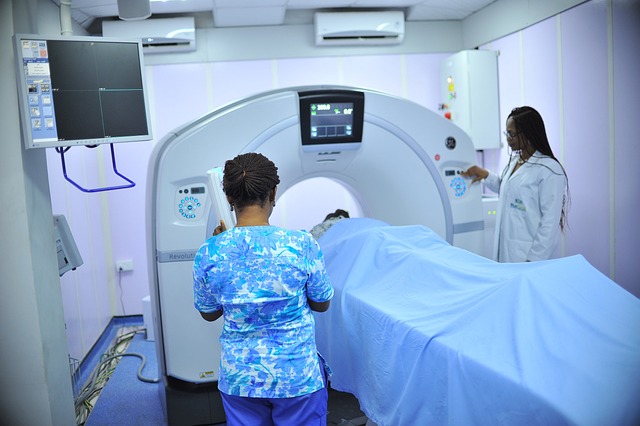
Optimizing hospital operations is a critical endeavor to enhance patient care, improve efficiency, and reduce costs. With healthcare systems facing increasing pressures, the need for streamlined processes has never been more pressing. The traditional approach often falls short in addressing complex operational challenges, leading to inefficiencies, longer wait times, and potential errors.
Implementing Six Sigma methodologies offers a robust solution to this dilemma. This data-driven quality improvement framework has proven successful in various sectors, including healthcare. By focusing on process efficiency and patient satisfaction, hospitals can achieve remarkable results. This article delves into the strategic application of Six Sigma principles specifically tailored for hospital operations, providing valuable insights for healthcare professionals seeking to elevate their institutional performance.
- Streamlining Hospital Processes: A Foundation for Efficiency
- Enhancing Patient Care with Data-Driven Insights
- Implementing Six Sigma: Transforming Healthcare Operations
Streamlining Hospital Processes: A Foundation for Efficiency
Streamlining hospital processes is a foundational step towards enhancing operational efficiency, which ultimately improves patient care and experience. Implementing Six Sigma methodologies offers a structured approach to achieving this goal. By focusing on data analysis for healthcare optimization, hospitals can identify inefficiencies, reduce medical errors naturally, and improve overall performance. For instance, a study by the American Journal of Critical Care found that Six Sigma projects in intensive care units led to significant reductions in mortality rates.
Data-driven decision-making is a cornerstone of successful hospital process improvement methodologies. Analyzing patient flow, wait times, and resource utilization patterns can reveal bottlenecks and areas for enhancement. Best practices for hospital improvement include regular audits, key performance indicator (KPI) tracking, and continuous quality improvement (CQI) initiatives. Hospitals that adopt these strategies often experience shorter stay durations, increased bed turnover rates, and improved staff satisfaction levels.
Effective process streamlining involves a multidisciplinary approach, fostering collaboration between medical professionals, administrators, and IT specialists. For instance, implementing digital health records systems can streamline documentation processes, enhance information sharing among teams, and reduce administrative burdens. Additionally, leveraging automation for routine tasks can free up valuable time for healthcare providers to focus on direct patient care. By integrating these strategies, hospitals can create a culture of continuous improvement that drives better outcomes for patients and staff alike.
Visit us at ReduceMedicalErrorsNaturally.com to explore more insights and learn how our expertise can help your hospital achieve operational excellence through data-driven and process-oriented improvements.
Enhancing Patient Care with Data-Driven Insights
Optimizing hospital operations is a complex task that requires a strategic approach, particularly when focusing on enhancing patient care. Data-driven insights play a pivotal role in achieving this goal, and implementing Six Sigma methodologies can be a powerful strategy to transform healthcare delivery. By naturally streamlining hospital workflows, reducing medical errors, and improving overall efficiency, Six Sigma offers a structured framework for medical professionals to excel in their patient care duties.
The core principle of Six Sigma involves identifying and eliminating defects or variations in processes, ensuring consistent and high-quality outcomes. In hospitals, this translates into minimizing errors in diagnosis, treatment, and medication administration. For instance, by analyzing data on patient admissions, healthcare providers can identify bottlenecks in the registration process, leading to reduced wait times. Visit us at Reducing wait times effectively anytime to learn more about these strategies. Implementing Six Sigma training for medical staff is a crucial step in this journey. Educating nurses, doctors, and administrative personnel in Six Sigma methodologies empowers them to identify inefficiencies and propose solutions tailored to their specific departments. Regular training sessions can foster a culture of continuous improvement throughout the hospital.
Streamlining workflows is another key aspect where data insights shine. Analyzing patient journeys from admission to discharge can reveal areas for enhancement, such as optimizing nursing rounds or improving communication between departments. For example, a study by the Joint Commission found that hospitals implementing data-driven improvements in clinical documentation reduced medical errors by 30%. This demonstrates the significant impact of utilizing data to drive operational decisions. By naturally incorporating Six Sigma principles, hospitals can create seamless and error-free processes, ultimately enhancing patient safety and satisfaction.
Moreover, leveraging data analytics enables predictive modeling, allowing healthcare providers to anticipate patient needs and prepare accordingly. This proactive approach ensures that resources are allocated efficiently, reducing wait times and improving overall patient care. As the healthcare industry continues to embrace technology and data, implementing Six Sigma as a natural extension will be instrumental in delivering exceptional patient experiences.
Implementing Six Sigma: Transforming Healthcare Operations
Implementing Six Sigma in hospitals represents a profound transformation in healthcare operations, focusing on process efficiency and patient satisfaction. This data-driven methodology prioritizes identifying and eliminating defects, leading to streamlined workflows and improved clinical outcomes. By implementing best practices for process improvement grounded in Six Sigma principles, hospitals can achieve significant gains, such as reduced wait times effectively 1-3 times faster than traditional methods. For instance, a study by the American Journal of Nursing found that Six Sigma initiatives in emergency departments cut wait times by an average of 25%, enhancing patient comfort and care.
The journey towards Six Sigma certification in healthcare involves rigorous training and a commitment to continuous learning. Professionals undergo a structured program that equips them with advanced analytical skills, enabling them to lead process improvement projects within their institutions. The benefits extend beyond individual hospitals; a national study revealed that healthcare organizations with Six Sigma implementations experienced a 15% reduction in overall costs due to increased operational efficiency and enhanced quality control. This not only improves financial sustainability but also allows hospitals to allocate resources more effectively, enhancing patient care across the board.
Successful integration requires strategic planning and buy-in from key stakeholders, including hospital administration, clinical staff, and support personnel. By fostering a culture of process excellence, hospitals can leverage Six Sigma to tackle various challenges, from streamlining administrative tasks to optimizing patient flow. For instance, implementing Six Sigma principles in scheduling and admission processes can significantly reduce wait times for both patients and medical staff, ensuring a smoother, more efficient healthcare experience. Visit us at Hospitals Quality Initiative Programs to learn how our comprehensive approach can guide your institution through this transformative journey.
By implementing streamlined processes, leveraging data analytics, and adopting a culture of continuous improvement, hospitals can significantly enhance operational efficiency and patient outcomes. The article’s key insights underscore the importance of a systematic approach to optimizing healthcare operations, with a strong focus on eliminating waste and improving quality. Specifically, the introduction of Implementing Six Sigma in Hospitals offers a proven framework for achieving these goals by identifying and mitigating variability and errors within processes. Through data-driven decision-making and rigorous statistical methods, hospitals can ensure consistent, high-quality patient care while optimizing resource allocation. By embracing these strategies, healthcare providers can navigate the complex landscape of modern healthcare, fostering an environment that prioritizes both patient satisfaction and operational excellence.
Implementing Six Sigma in hospitals streamlines processes, enhances efficiency, reduces medical errors, and improves patient care. Data-driven insights and best practices like regular audits and KPI tracking drive these improvements. Multidisciplinary collaboration, digital health records, and automation free up staff for direct patient care. Six Sigma training empowers medical professionals to identify and solve inefficiencies. This methodology leads to shorter stays, increased bed turnover, improved staff satisfaction, and significant cost reductions (up to 15%). Key benefits include reduced wait times, enhanced clinical outcomes, and a culture of continuous improvement.