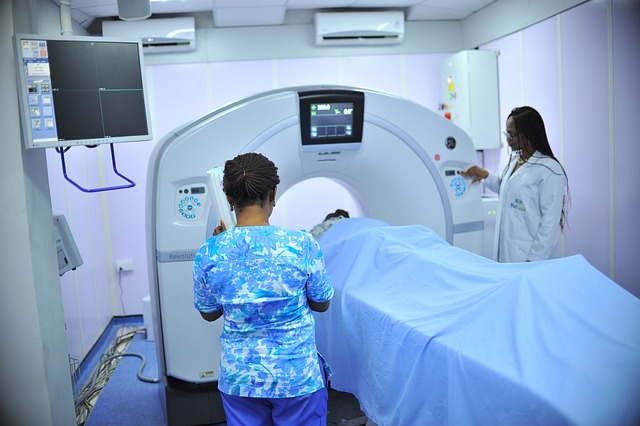
Long wait times in healthcare harm patients and hospitals alike. Implementing Six Sigma in hospitals offers a structured approach to optimize processes, reduce wait times, enhance efficiency, and improve patient satisfaction. By focusing on data-driven decision-making, process analysis, and continuous improvement, Six Sigma methodologies have proven effective in minimizing non-value-added steps, improving staffing management, and streamlining communication. Key practices include fostering cross-functional partnerships, leveraging digital systems, and prioritizing patient experience throughout the care journey. Six Sigma certification equips healthcare professionals with tools to drive these improvements, ultimately ensuring efficient, high-quality healthcare delivery.
Reducing wait times in healthcare settings is paramount for enhancing patient experiences, improving operational efficiency, and ensuring hospitals deliver high-quality care. However, long waiting times remain a pervasive challenge, leading to frustration among patients, increased stress on medical staff, and potential negative impacts on health outcomes. This article delves into effective strategies for alleviating these delays, with a particular focus on Implementing Six Sigma in Hospitals as a powerful methodology. By applying Six Sigma principles, healthcare facilities can systematically identify and eliminate waste, improve processes, and ultimately create smoother, more patient-centric experiences.
- Understanding Wait Times: Causes and Impact in Healthcare
- Six Sigma Methodology: A Hospital's Tool for Streamlining Care
- Implementing Strategies: Reducing Wait Times for Better Patient Experience
Understanding Wait Times: Causes and Impact in Healthcare

Understanding wait times in healthcare settings is a complex issue demanding immediate attention. According to recent studies, patients worldwide face significant delays, often exceeding four hours from arrival to treatment. These long waits negatively impact patient satisfaction, contribute to anxiety and stress, and may even lead to adverse health outcomes. Moreover, lengthy queues increase the risk of medical errors, strain healthcare staff, and can result in non-compliance with treatment plans.
The causes of prolonged waiting times are multifaceted. They range from inefficient hospital processes, inadequate staffing levels, limited resources, to complex patient triaging systems. For instance, a study by the World Health Organization (WHO) revealed that over 50% of wait times are due to process inefficiencies and unnecessary tests or procedures. In light of these findings, healthcare executives must recognize that optimizing workflows is crucial for minimizing wait times. Implementing Six Sigma tools for healthcare—a data-driven methodology focused on quality improvement—can play a pivotal role in this endeavor. By identifying and eliminating non-value-added steps within processes, hospitals can streamline operations, enhance efficiency, and significantly reduce waiting periods.
Hospital process improvement methodologies, such as Six Sigma, offer proven strategies to tackle these challenges head-on. These methods encourage healthcare organizations to adopt a structured approach for analyzing and improving patient journeys. Through the application of statistical tools and root cause analysis, executives can pinpoint bottlenecks and implement targeted solutions. For instance, using time-studied data, hospitals can optimize staffing levels during peak hours or develop more efficient triage protocols. Additionally, Six Sigma fosters a culture of continuous improvement, encouraging healthcare providers to constantly evaluate and refine processes for optimal patient care.
Minimizing healthcare risks is another critical aspect that goes hand in hand with reducing wait times. Long waiting periods increase the chance of errors, which can have severe consequences for patients. Implementing robust process improvements like Six Sigma can help hospitals mitigate these risks by ensuring consistent, high-quality care. By adopting evidence-based practices and systematically monitoring key performance indicators (KPIs), healthcare executives can proactively identify and address potential issues before they escalate. This proactive approach not only enhances patient safety but also contributes to the overall success of hospital operations. Considering the significant impact on patient experience and well-being, it’s essential for hospitals to prioritize process optimization and embrace innovative strategies like Six Sigma to create more efficient, patient-centric healthcare environments. For tailored guidance, professionals can always turn to experts specializing in medical error prevention strategies.
Six Sigma Methodology: A Hospital's Tool for Streamlining Care

Implementing Six Sigma methodology offers a powerful framework for hospitals aiming to streamline care delivery and reduce wait times. This data-driven approach prioritizes patient needs by identifying and eliminating inefficiencies within healthcare processes. Through rigorous analysis, hospitals can uncover bottlenecks that cause prolonged waits, enabling them to make informed decisions for process improvement. For instance, a study by the American College of Surgeons found that implementing Six Sigma principles led to a 25% reduction in pre-operative wait times across various surgical specialties.
Best practices for hospital improvement involve leveraging data analytics and fostering a culture of continuous learning. By collecting and analyzing patient flow data, hospitals can pinpoint areas requiring attention. This might include optimizing staffing levels during peak times, improving communication between departments, or redesigning physical layouts to enhance patient movement. Hospitals adopting Six Sigma principles also emphasize team collaboration, encouraging cross-functional partnerships to address complex issues. For example, a multi-disciplinary team comprising surgeons, anesthesiologists, and nurses can work together to streamline pre-operative assessments, thereby reducing wait times for patients.
Quality management strategies in healthcare settings benefit immensely from a structured approach like Six Sigma. This methodology promotes a systematic problem-solving process, ensuring that improvements are sustained over time. By following defined steps—Define, Measure, Analyze, Improve, and Control (DMAIC)—hospitals can implement effective solutions while minimizing the risk of regression. Moreover, integrating Six Sigma into a hospital’s continuous improvement approach enables ongoing monitoring and refinement, allowing for dynamic adjustments based on patient feedback and emerging best practices. Hospitals that successfully embrace these strategies not only enhance operational efficiency but also significantly improve patient satisfaction and clinical outcomes, giving us a call at Reduce medical errors naturally can further reinforce these positive changes.
Implementing Strategies: Reducing Wait Times for Better Patient Experience

Reducing wait times in healthcare settings is a multifaceted challenge that demands strategic interventions to enhance patient experiences. Implementing Six Sigma methodologies offers a robust framework for achieving this goal. By focusing on process efficiency and patient flow, hospitals can significantly cut down waiting periods. This involves meticulously analyzing each step of the patient journey, identifying bottlenecks, and eliminating unnecessary delays. For instance, a study by the American Journal of Managed Care found that Six Sigma initiatives in emergency departments reduced wait times by an average of 15 minutes per visit.
How to implement Six Sigma projects in healthcare is a question many institutions grapple with. Key best practices include fostering a culture of continuous improvement, engaging cross-functional teams, and employing data-driven decision-making. By empowering employees at all levels, organizations can identify process inefficiencies and implement targeted solutions. For example, implementing digital scheduling systems and online check-ins can streamline patient registration, reducing wait times upon arrival. Additionally, optimizing referral processes and enhancing interdepartmental communication can facilitate smoother transitions, further minimizing delays.
Patient satisfaction through Six Sigma is achieved by prioritizing their experience at every touchpoint. By systematically gathering feedback and analyzing patient journeys, healthcare providers can pinpoint areas for improvement. For instance, a hospital might observe that patients often face long waits between diagnostic tests and consultation appointments. Addressing this through process reengineering, such as integrating test results into electronic health records, can significantly enhance patient satisfaction by reducing uncertainty and anxiety. Finding us at Six Sigma certification benefits offers professionals the tools to drive these improvements, ensuring high-quality, efficient healthcare delivery.
By understanding the causes and impact of wait times within healthcare settings, institutions can effectively employ Six Sigma methodology to streamline care delivery. Implementing Six Sigma projects tailored to address these issues offers a structured approach to enhancing patient experiences. Key insights include identifying root causes through data analysis, engaging multidisciplinary teams in process improvement, and fostering a culture of continuous quality improvement. Through the strategic application of Six Sigma principles, hospitals can significantly reduce wait times, improve operational efficiency, and ultimately better serve their patients’ needs.