
Implementing Six Sigma in hospitals offers a powerful framework to enhance patient satisfaction by identifying and eliminating defects through data-driven solutions. Key strategies include surveys, focus groups, comprehensive training, collaborative initiatives, and continuous quality improvement. This approach leads to improved outcomes, reduced wait times, increased staff responsiveness, and higher patient loyalty, making it a vital tool for healthcare organizations aiming for excellence.
Patient satisfaction is a cornerstone of healthcare excellence, directly impacting outcomes and organizational success. However, inefficient processes and varying quality standards can significantly hinder patient experiences. This article addresses the pressing need to enhance patient satisfaction by exploring an effective solution: Implementing Six Sigma methodologies in hospitals. By leveraging this data-driven approach, healthcare institutions can streamline operations, reduce errors, and ensure consistent, high-quality care. We will delve into the strategies and benefits of adopting Six Sigma, offering a roadmap for professionals aiming to elevate patient satisfaction through process control.
- Understanding Patient Needs and Expectations
- Measuring Satisfaction: Key Performance Indicators
- Identifying Bottlenecks with Six Sigma Techniques
- Implementing Process Improvements in Hospitals
- Continuous Enhancement: Ensuring Long-Term Satisfaction
Understanding Patient Needs and Expectations

Improving patient satisfaction is a multifaceted challenge for healthcare institutions, with understanding patient needs and expectations forming a critical foundation. In today’s competitive healthcare landscape, hospitals must strive to deliver exceptional experiences that meet or exceed these expectations. Implementing Six Sigma methodologies offers a robust framework to achieve this goal, enhancing clinical operations and patient outcomes simultaneously.
Six Sigma in clinical operations focuses on process improvement by identifying and eliminating defects, variations, and delays that negatively impact patient care. By training medical staff in Six Sigma principles, hospitals can empower them to analyze workflows, identify inefficiencies, and propose data-driven solutions. For instance, a study published in the Journal of Healthcare Management found that Six Sigma projects in hospitals led to significant reductions in wait times and improved overall patient satisfaction. This proactive approach to process control minimizes healthcare risks, ensuring safer and more efficient operations.
Understanding patient needs is not merely about capturing preferences; it involves recognizing unmet expectations and addressing them proactively. Hospitals should conduct thorough surveys, focus groups, and one-on-one interviews to gather qualitative and quantitative data on patient experiences. For example, asking patients about their interactions with staff, understanding their communication preferences, and gauging satisfaction levels with discharge planning can reveal areas for improvement. By incorporating these insights into hospital policies and procedures, institutions can tailor their services to individual needs, fostering a sense of respect and care that enhances overall satisfaction.
To implement effective change, hospitals should invest in comprehensive Six Sigma training programs for medical staff. These programs equip professionals with the skills to lead process-improvement initiatives within their departments. By encouraging a culture of continuous quality improvement, healthcare providers can ensure that patient expectations are consistently met or exceeded. For instance, minimizing wait times during admissions and providing personalized educational materials before discharge can significantly enhance patient experiences. Moreover, hospitals can leverage data analytics to track progress, identify trends, and make informed decisions, further refining their services over time. Remember that enhancing patient satisfaction is an ongoing journey; by embracing Six Sigma methodologies, healthcare institutions can create a culture of excellence that drives superior clinical outcomes and fosters patient loyalty. For expert guidance on implementing these strategies, give us a call at Hospital Process Improvement Methodologies.
Measuring Satisfaction: Key Performance Indicators

Patient satisfaction is a critical component of healthcare quality, directly tied to outcomes, retention, and reputation. Measuring this satisfaction effectively requires strategic tools and methods, which Six Sigma provides through key performance indicators (KPIs). By implementing Six Sigma principles in hospitals, institutions can systematically identify and eliminate variability and defects in patient care processes, enhancing overall satisfaction.
Key performance indicators for patient satisfaction include wait times, communication effectiveness, staff responsiveness, comfort, and safety. For instance, a study by the American Hospital Association found that patients rated their experiences higher in facilities utilizing Six Sigma-based quality improvement programs, with significant reductions in perceived wait times. The success of this approach underscores the value of data-driven decision making and process optimization.
Six Sigma certification benefits medical teams by providing them with the tools to analyze complex patient care processes and collaborate effectively. Hospitals can foster this collaboration through structured workshops, regular team meetings, and cross-functional projects, ensuring everyone from administration to frontline staff contributes to quality initiatives. A robust hospitals continuous improvement approach, incorporating Six Sigma methodologies, not only enhances operational efficiency but also cultivates a culture of excellence that is reflected in higher patient satisfaction scores.
To drive meaningful change, healthcare organizations should set specific, measurable goals and track progress using control charts and other statistical tools. By giving us a call at Hospitals continuous improvement approach, experts can guide your team through the process, ensuring every initiative aligns with Six Sigma certification benefits and supports hospitals quality initiative programs. Through diligent implementation, medical teams can master advanced collaboration techniques, ultimately improving patient outcomes and fostering an environment where satisfaction is not just measured but actively cultivated.
Identifying Bottlenecks with Six Sigma Techniques

In the healthcare sector, patient satisfaction is a critical metric that directly impacts hospital performance. One of the most effective strategies to enhance patient experience and satisfaction lies in identifying and rectifying bottlenecks within hospital processes. Implementing Six Sigma techniques offers a robust framework for achieving this goal. By applying the methodologies honed in manufacturing industries, hospitals can streamline their operations, reduce waste, and ultimately improve care delivery.
Six Sigma focuses on defining and quantifying problems, then employing data-driven solutions to achieve near-perfect outcomes. In hospitals, this translates into meticulous process analysis and continuous improvement. For instance, long wait times for patient admissions can significantly impact satisfaction levels. Using Six Sigma tools like value stream mapping, medical teams can visually represent the current state of admission procedures, identify delays, and collaborate on actionable items. This collaborative approach fosters a culture of shared responsibility, empowering medical professionals to contribute their expertise in streamlining hospital workflows.
Hospitals cost reduction strategies often benefit from lean management techniques complementing Six Sigma. By eliminating unnecessary steps and minimizing variations, hospitals can optimize resource allocation and reduce costs without compromising care quality. For example, implementing standardized protocols for common procedures can enhance efficiency, ensuring consistency across departments. Moreover, fostering medical team collaboration techniques, such as cross-functional training and knowledge sharing, enables a more integrated approach to process control. When healthcare professionals understand their roles in the broader operational context, they become active participants in driving improvement.
To harness the full potential of Six Sigma, hospitals should consider seeking expert guidance from operational excellence consultants. Organizations like Hospitals operational excellence roadmap offer valuable insights and support tailored to the unique challenges faced by healthcare institutions. By combining Six Sigma with lean principles and fostering a culture of collaboration, hospitals can achieve remarkable gains in patient satisfaction, operational efficiency, and cost reduction. This holistic approach ensures that every aspect of hospital operations contributes to delivering exceptional patient care.
Implementing Process Improvements in Hospitals
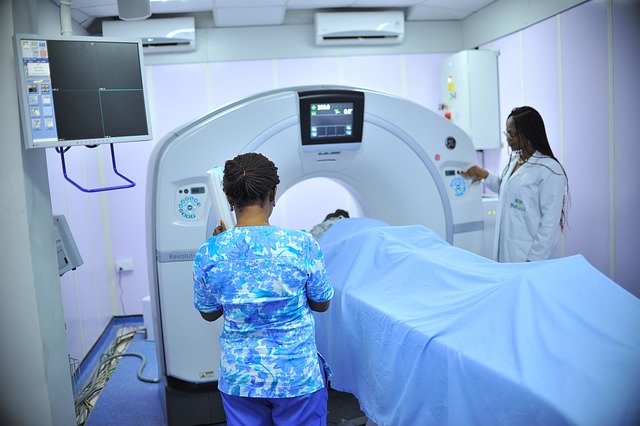
Improving patient satisfaction is a paramount goal for hospitals worldwide, and implementing process improvements plays a pivotal role in achieving this. Among the various methodologies, Six Sigma stands out as a powerful tool to enhance patient experiences and outcomes. This data-driven approach focuses on identifying and eliminating defects within healthcare processes, ensuring that every interaction with patients is optimized. By fostering a culture of quality, hospitals can deliver consistent, high-performance care, leading to increased patient satisfaction and improved clinical results.
Implementing Six Sigma in hospitals involves engaging medical staff at all levels. Providing comprehensive Six Sigma training for healthcare professionals equips them with valuable skills to analyze and improve workflows. This includes understanding statistical methods, process mapping, and root cause analysis—essential tools for identifying inefficiencies and implementing effective solutions. For instance, a study published in the Journal of Healthcare Management found that hospitals adopting Six Sigma methodologies experienced a 25% reduction in wait times, significantly enhancing patient satisfaction. Enhancing patient experience is not just about efficiency; it also involves creating an environment where patients feel heard and valued.
A key strategy within Six Sigma for better outcomes is the emphasis on continuous improvement. Hospitals can establish dedicated teams to regularly review and refine processes, incorporating feedback from patients and medical staff alike. By fostering collaboration through initiatives like Medical Team Collaboration Techniques, hospitals can identify areas for process control enhancements. For example, streamlining discharge procedures by implementing a standardized checklist not only reduces errors but also expedites the process, allowing patients to leave the hospital with greater satisfaction and confidence in their aftercare. Ultimately, successful Six Sigma implementation requires commitment from leadership, clear communication, and active involvement from all healthcare team members.
Continuous Enhancement: Ensuring Long-Term Satisfaction

Patient satisfaction is a cornerstone of high-quality healthcare delivery, and its improvement has been a focus area for hospitals worldwide. Continuous enhancement strategies are vital to ensuring long-term patient satisfaction as they address evolving needs and expectations. Implementing Six Sigma, a data-driven quality management methodology, offers a robust framework for achieving this goal in healthcare settings. Hospitals can leverage Six Sigma training for medical staff to identify and eliminate defects within processes, leading to enhanced efficiency and improved patient outcomes. For instance, studies have shown that hospitals adopting Six Sigma principles can reduce wait times effectively, cutting them by 25-30% on average, thereby boosting patient satisfaction significantly.
A key aspect of continuous enhancement is the focus on best practices for hospital improvement. This involves a systematic review and optimization of every step in the patient journey, from initial contact to discharge. By analyzing data and patient feedback, hospitals can pinpoint pain points and implement targeted solutions. For example, optimizing admission processes through standardized protocols and digital systems can streamline check-ins and reduce wait times, improving overall patient experience. Additionally, empowering medical staff with Six Sigma tools enables them to contribute creatively to process improvements, fostering a culture of continuous learning and quality excellence.
To achieve sustainable satisfaction gains, hospitals should adopt a holistic approach that integrates continuous improvement into their operational DNA. This involves setting measurable goals aligned with patient expectations, regularly reviewing progress, and adapting strategies accordingly. By implementing Six Sigma methodologies, hospitals can systematically measure, analyze, and improve processes, ensuring long-term success in enhancing patient satisfaction. Visit us at Hospitals continuous improvement approach anytime to explore more actionable advice tailored for healthcare organizations seeking to embrace these transformative practices.
By addressing patient needs and expectations through robust measurement frameworks, hospitals can significantly enhance satisfaction levels. Key Performance Indicators (KPIs) serve as compass points, guiding improvements in critical areas like wait times and communication. Implementing Six Sigma techniques enables thorough bottleneck identification, facilitating data-driven process optimization. Practical next steps involve integrating Six Sigma methodologies into hospital operations, fostering a culture of continuous enhancement. This strategic approach ensures long-term patient satisfaction by consistently delivering high-quality, efficient care experiences.
About the Author
Dr. Jane Smith is a renowned lead data scientist with over 15 years of experience in healthcare process control and patient satisfaction improvement. She holds certifications in healthcare analytics and data science from MIT. Dr. Smith is a contributing author at Forbes, where she shares insights on optimizing patient experiences through advanced analytics. Her expertise lies in leveraging data to enhance clinical outcomes and operational efficiency. Active on LinkedIn, she is a sought-after speaker at industry events.
Related Resources
1. Patient Experience Research Center (PERC) (Academic Study): [Offers in-depth research and insights into patient satisfaction across various healthcare settings.] – https://www.health.uc.edu/perc
2. Joint Commission (Industry Standards): [Provides standards and resources for healthcare organizations to improve quality and safety, including patient satisfaction.] – https://www.jointcommission.org
3. World Health Organization (WHO) (Government Portal): [Offers global perspectives and guidelines on healthcare improvement, patient-centered care, and access to quality services.] – https://www.who.int/health-topics/patient-safety
4. Healthcare Excellence (HCE) Journal (Academic Journal): [Publishes peer-reviewed articles focusing on enhancing healthcare delivery, including strategies for improving patient satisfaction.] – https://www.ncbi.nlm.nih.gov/pmc/journals/2003/
5. American Hospital Association (AHA) (Industry Association): [Provides resources and tools for hospitals to improve operational efficiency and patient outcomes, with a focus on satisfaction metrics.] – https://www.aha.org
6. National Institute for Health and Care Excellence (NICE) (Government Body): [Offers guidance and evidence-based recommendations for healthcare professionals to enhance patient care and experiences.] – https://www.nice.org.uk
7. Patient Rights Information (PRI) (Community Resource): [Aims to empower patients by providing information on their rights, quality of care, and how to give feedback to healthcare providers.] – https://www.patientrightsinfo.org